Back to countries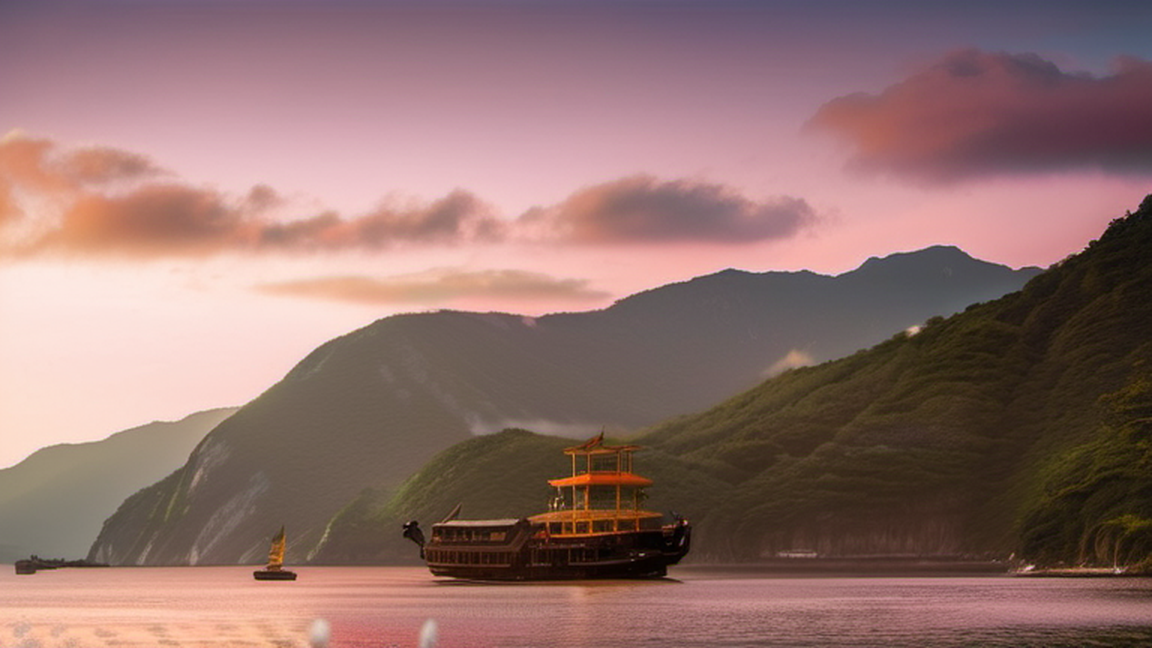

countries
Hong Kong
Hong Kong
Hong Kong is a special administrative region of China. Situated on China's southern coast just south of Shenzhen, it consists of Hong Kong Island, Kowloon, and the New Territories. With 7.5 million residents in a 1,114-square-kilometre (430 sq mi) territory, Hong Kong is the fourth-most densely populated region in the world. Hong Kong was established as a colony of the British Empire after the Qing dynasty ceded Hong Kong Island in 1841–1842 as a result of losing the First Opium War. The colony expanded to the Kowloon Peninsula in 1860 and was further extended when the United Kingdom obtained a 99-year lease of the New Territories in 1898. Hong Kong was occupied by Japan from 1941 to 1945 during World War II. The territory was handed over from the United Kingdom to China in 1997. Hong Kong maintains separate governing and economic systems from those of mainland China under the principle of one country, two systems. Originally an area of farming and fishing villages, Hong Kong is now one of the world's most significant financial centres and commercial ports. Hong Kong is the world's third-ranked global financial centre behind New York City and London, the ninth-largest exporter, and eighth-largest importer in the world. Its currency, the Hong Kong dollar, is the ninth-most traded currency in the world. Home to the third-highest number of billionaires of any city in the world, Hong Kong has the second largest number of ultra high-net-worth individuals. The city has one of the highest per capita incomes in the world, although severe income inequality still exists among the population. Hong Kong is the region with the most skyscrapers in the world, even though its housing is consistently in high demand. Hong Kong is the second most expensive residential property market in the world and is one of the most expensive cities in the world. Hong Kong is also one of the most visited cities in the world. Hong Kong is a highly developed territory and has a Human Development Index (HDI) of 0.955, ranking eighth in the world, and is currently the only place in Asia to be in the top ten. Hong Kong is categorized as an Alpha+ city by the Globalization and World Cities Research Network. The city has the highest life expectancy in the world, and has a public transport usage exceeding 90 per cent.
Rank
100
Coordinates
22.27, 114.19
Source
WBP almanac
Nearby in Hong Kong
Afghanistan
Afghanistan
Afghanistan is a landlocked country at the crossroads of Central and South Asia. The country shares borders with Uzbekistan, Turkmenistan, Tajikistan, Iran, Pakistan, China, and the disputed Kashmir territory. Once the centre of many powerful empires, the country has been in chaos and turmoil since the 1970s. Political unrest is rampant, and the country suffers from many social problems, such as
Armenia
Armenia
"AM" redirects here. For the Brazilian state, see Amazonas. Armenia (Armenian: Հայաստան Hayastan) is a landlocked country in the Caucasus. Once the centre of an empire, this former Soviet republic straddles the line between Europe and Asia. Armenia has a rich, ancient history, and it is most famously known for being the first country in the world to adopt Christianity as the state religion.
Azerbaijan
Azerbaijan
Azerbaijan (Azerbaijani: Azərbaycan) is a former Soviet republic in the Caucasus and is variously considered part of Europe or Asia. Often known as the "Land of Fire", Azerbaijan was ceded to the Russian Empire by the Persian Empire in the late 19th century.