Back to countries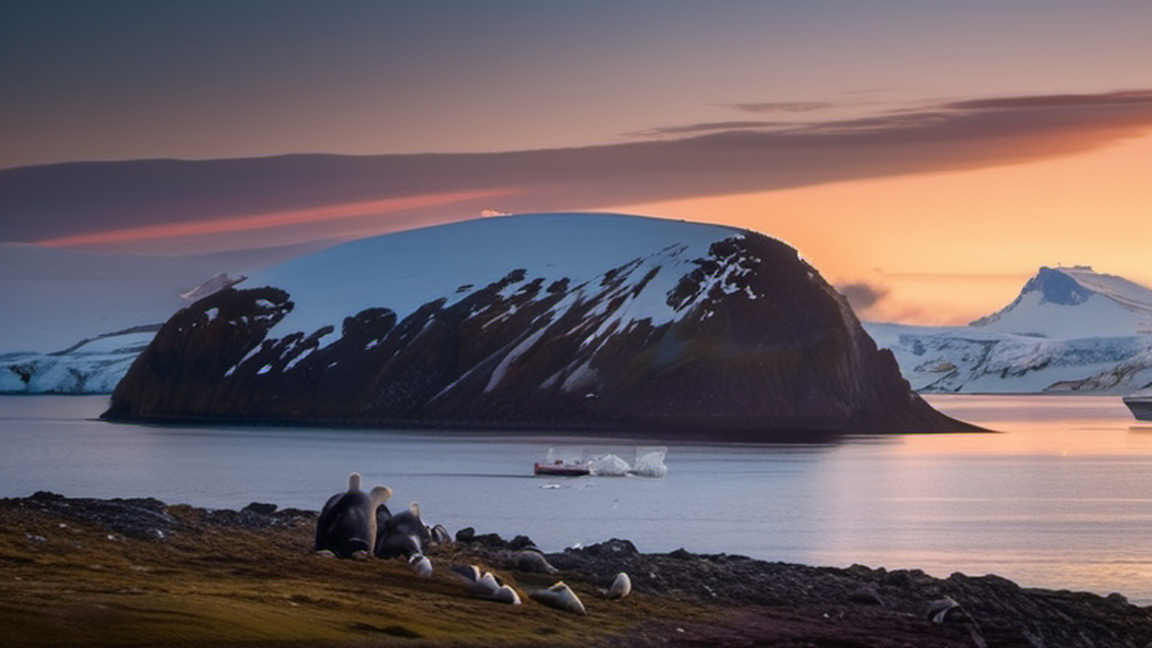
countries
Heard Island and McDonald Islands
Heard Island and McDonald Islands
The Territory of Heard Island and McDonald Islands is an Australian external territory in the southern Indian Ocean. Discovered in the mid-19th century, the territory is a group of sub-Antarctic volcanic islands that lie on the Kerguelen Plateau. It is about 4000 kilometres (2500 mi) south-west of the Australian mainland and 1700 kilometres (1100 mi) north of Antarctica. The territory contains Australia's only active volcanoes and is home to its highest point outside the Australian Antarctic Territory, Mawson Peak. The islands are uninhabited and have been described as one of the most remote places on Earth. The first confirmed sightings of Heard Island and the McDonald Islands took place in 1853 and 1854, respectively. Heard Island was occupied by sealers between 1855 and 1882 and saw occasional scientific visits in the late-19th and early-20th centuries. The territory was claimed by the United Kingdom in 1908 and was transferred to Australia in 1947. Between 1947 and 1955, the Australian National Antarctic Research Expeditions (ANARE) occupied a research station on the island. Since the closure of the ANARE research station, the islands have been visited by occasional scientific and private expeditions. Today, the islands are a nature reserve and World Heritage Site managed by the Australian Antarctic Division. Heard Island is dominated by Big Ben, a stratovolcano that is topped by the volcanic cone Mawson Peak. About 70 percent of the island is permanently covered by glaciers, while just 5 percent is covered by vegetation. The island is volcanically active, with Mawson Peak regularly emitting steam and vapour and occasionally releasing flows of lava. The McDonald Islands, located about 43 kilometres (27 mi) to the west of Heard Island, are a group of smaller volcanic islands that have seen just two recorded human landings. Heard Island and the McDonald Islands are known for their harsh climate, characterised by cold temperatures, strong winds, and heavy rain and snow. Heard Island and the McDonald Islands are home to a large number of eastern rockhopper, gentoo, macaroni, and king penguins. With more than one million breeding pairs, Heard Island contains about 20 percent of the world's macaroni penguins. The islands also contain substantial populations of elephant seals and Antarctic fur seals. They are a breeding site for at least 15 flying seabird species, including the Heard Island cormorant, a species unique to Heard Island. Commercial fishing of Patagonian toothfish and mackerel icefish takes place in the surrounding waters. Due to climate change, Heard Island has seen rapid melting of its glaciers and other environmental changes in recent decades.
Rank
98
Coordinates
-53.10, 72.52
Source
WBP almanac
Nearby in Heard Island and McDonald Islands
Antarctica
Antarctica
Bouvet Island
Bouvet Island
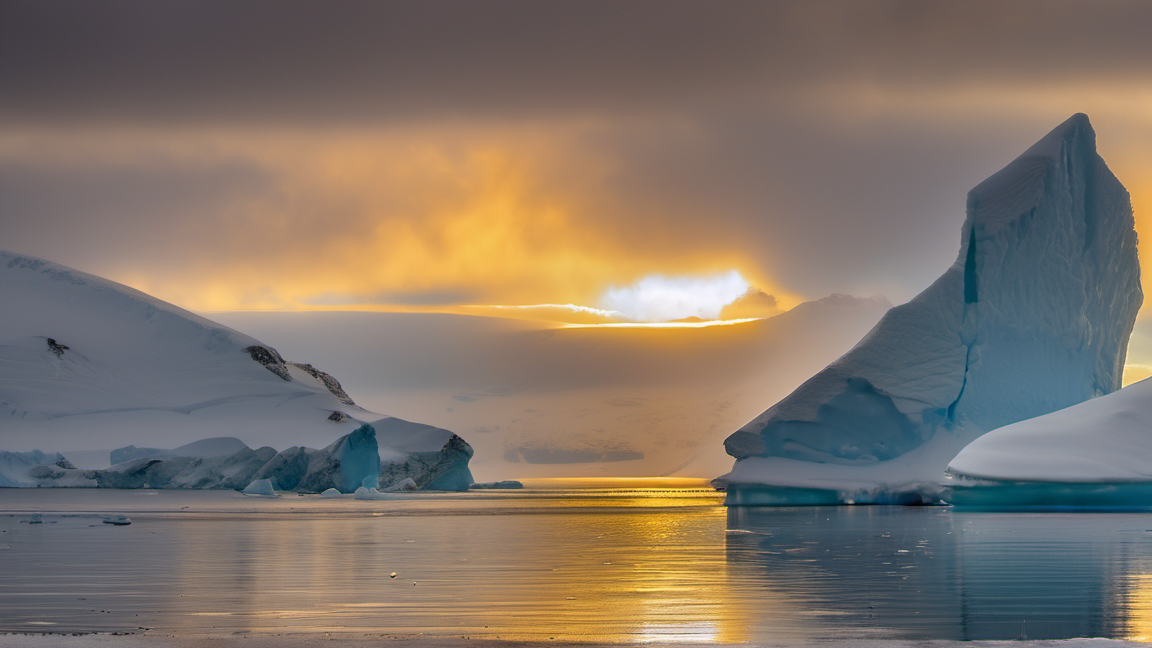
Bouvet Island or Bouvetøya is one of the sub-Antarctic islands, an uninhabited ice-clad place 2,600 km south-southwest of Cape Town. It has a good claim to be the world's most remote island: anywhere within 2,000 km is similarly desolate, such as mainland Antarctica. It lies 6,040 km south of the equator and is a dependency of Norway; for comparison, Oslo main railway station is 6650 km north of
French Southern and Antarctic Lands
French Southern and Antarctic Lands
South Georgia